Field notes
Reading sample cuts before the mill ticket arrives | Cortex Nodebase Field Notes
How Central Plains rice teams use small harvest samples to spot lagging canal sections early.
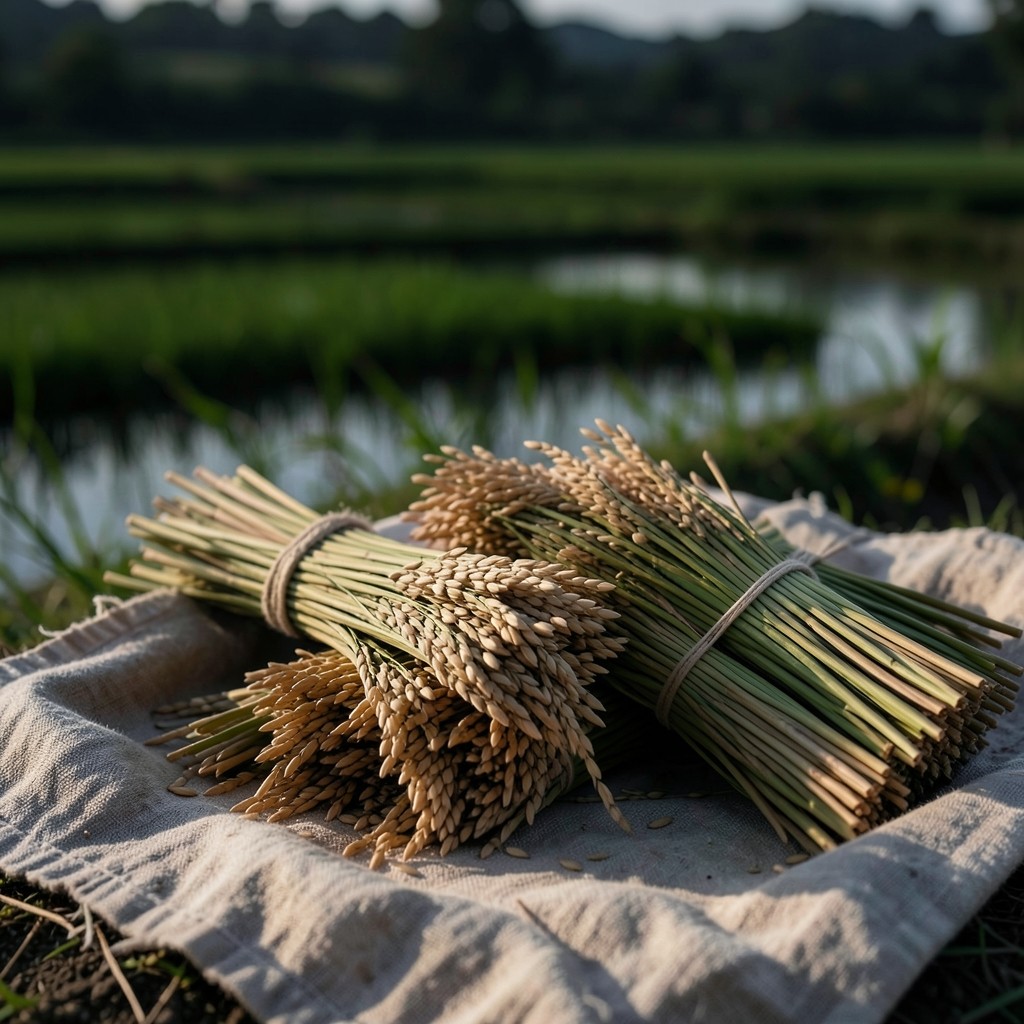
Sample cuts are not theatre. On a 180-rai estate west of Ayutthaya, supervisors used to wait for mill tickets before arguing about which canal section underperformed. By then the transplant calendar for the next season was already locked.
A practical pattern we use with farm management teams:
- Agree three to five cut points per named block with the crew lead.
- Cut the same area measure each time — a frame the team can carry without special tools.
- Weigh on the same scale, same morning window, and write the block name before the bag leaves the bund.
- Compare cuts across blocks before the combine finishes, while irrigation still can be adjusted on late-maturing sections.
Agriculture yield tracking starts here: small, repeatable cuts that supervisors trust because they took them. Mill tickets remain essential for settlement; they are simply too late for in-season decisions.
If your map names blocks differently from the mill’s delivery codes, keep both identifiers on the weigh sheet. That single habit saves an hour of reconciliation when the seasonal report is written.