Field visits
From the first map to the weigh notes
A field visit is how we turn agriculture yield tracking into something your supervisors recognise — named blocks, sample cuts, and photographs taken where the crew already works.
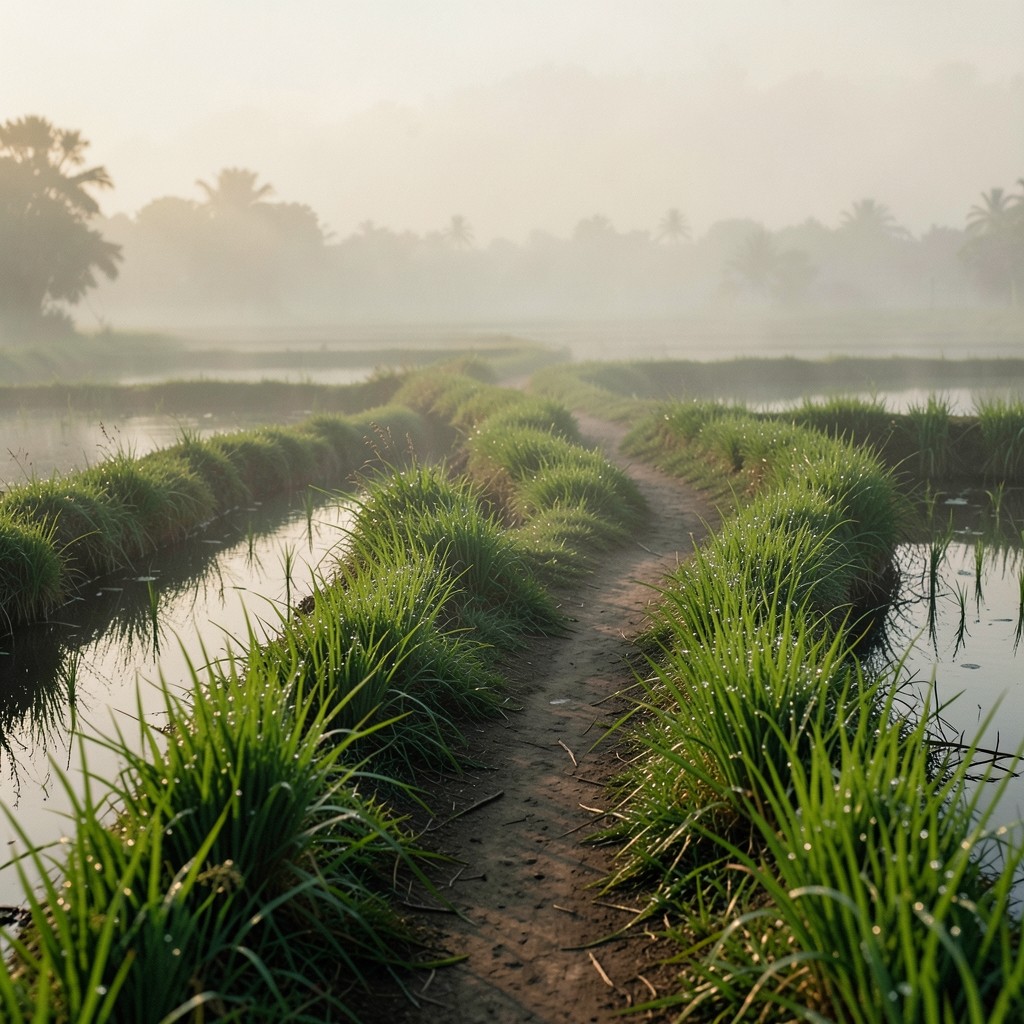
What happens on the ground
-
Confirm the map
We sit with your supervisor, mark blocks under review, and agree sample points before boots hit the mud.
-
Walk and cut
Together we take sample harvests or tree counts, note water and stand condition, and photograph lodging or gaps.
-
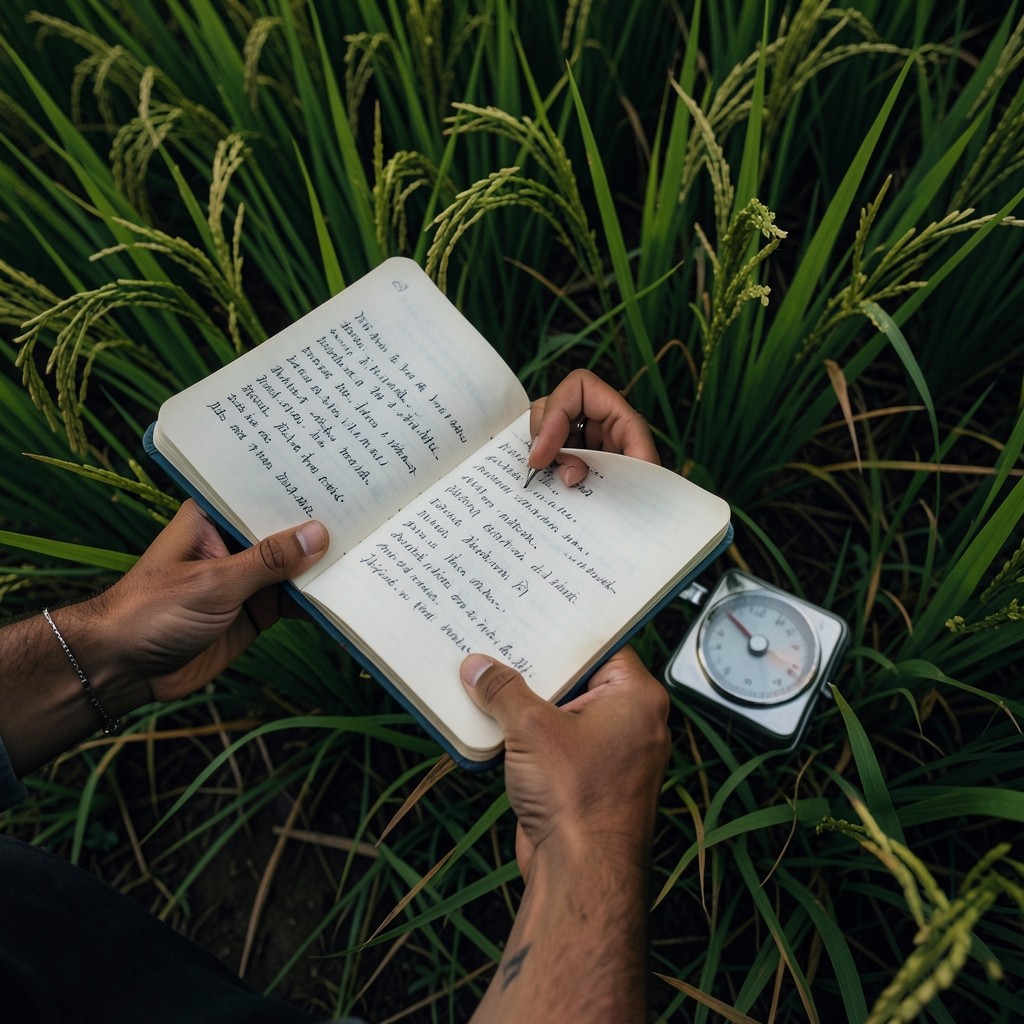
Weigh and label
Samples are weighed or tallied against your plot names so figures stay comparable across the estate.
-
Leave clear notes
Before we drive out, the crew lead receives a short verbal summary of anything that needs action this week.
When a visit makes sense
Book within two weeks of harvest for rice and cane, during active picking for orchard fruit, or mid-season when stands look uneven. Remote northern orchards may need an overnight; we flag travel costs in the estimate.
Prefer to start with the full seasonal scope? Read the Seasonal Yield Assessment page, or request a date with your crop and province.